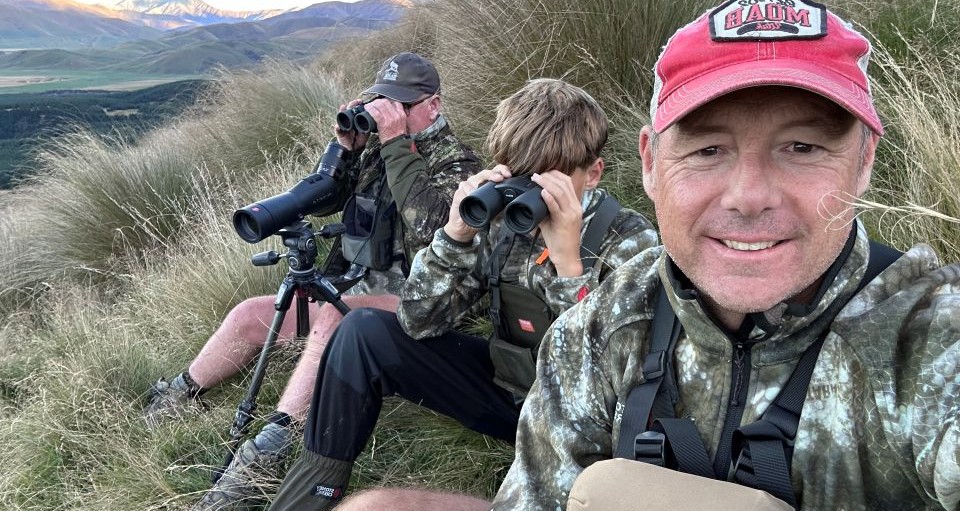
What did you do before getting into H&S?
I was brought up in Twizel as a “hydro kid”, so it was a natural step to begin my working life in the electricity sector. My first job was as a trainee transmission lineman on a major upgrade of the 500kV Benmore Haywards HVDC line.
Following this, I spent the next 20 years working in the outdoors. As a teenager, I was selected to be part of the support team for the first New Zealand Everest/K2 Expedition alongside my great friend and mentor, Gary Ball. That experience sparked a lifelong connection to alpine environments and big mountain ranges.
I worked as a mountain guide and outdoor instructor in Fox Glacier and Norway and eventually finished my outdoor career in Antarctica in 2007. I worked for Antarctica New Zealand as a field training instructor and field safety advisor and was also a member of the joint New Zealand–United States search and rescue team. I was fortunate to visit some of the most spectacular parts of Antarctica while providing field support to research teams.
I have also been involved with asset management, pest and weed control with DOC in the Mackenzie Basin, and trout fishery management in Turangi.
I later moved to Taranaki, where I began industrial abseiling and rope access work on oil and gas sites
Describe an injury or near-miss incident you were involved in or witnessed
During my time as a lineman, I was involved in a serious arc flash incident after an earth lead fell near the live line I was working on. At the time, I was sitting on a live 250,000V line, wearing a Faraday suit, and carrying out insulator replacement work. The earth lead fell from the cross arm into the high-voltage zone, resulting in a significant arc flash and explosion. I was lowered to the ground and transported to Timaru Hospital and remarkably only sustained minor burns to my neck and back. I made the easy decision not to continue with live line work again. The Commerce Commission undertook the investigation. I was interviewed for only five minutes. The investigator produced a large report but nothing significant came from it apart from adding a small chain to the earth clamp.
How and why did you find your way into H&S?
After moving to Taranaki I was after a career change. I came across an advert for a regional health, safety, training advisor for a large Australasian waste company. On reading the job description, I soon realised that this was essentially what I had been doing as a senior guide. I’d been managing operational risk in the outdoors for years, so it felt like a perfect transition. I’ve now been working in formal HSE roles for 20 years.
What’s the best part of working in H&S?
I love seeing frontline workers and operational leaders become instantly engaged when I call out the dumb shit we are doing in H&S. I also really enjoy asking workers what gets in the way of them being successful in their work. Hearing about the operational constraints they face each day quickly proves that it’s less about safety and more about organisational and operational capacity.
I’ve also really enjoyed creating personal and professional growth forums for H&S professionals through my own forum Project Connect, and more recently with Safer Farms. We need to support our fellow practitioners to grow and become more effective at what we do.
What’s been your best moment so far?
Winning the inaugural Safety II award with Energyworks at the Safeguard Awards was a highlight. Recently I heard from an excited operational team that had integrated operational learning into their practice and uncovered some incredible insights into how to improve their processes. Seeing operational teams owning the management of risk is the type of thing that gets me excited, particularly when they realise that they have most of the control and influence to make things better.
What’s been the worst?
Many years ago, I was told by a chief executive that I was responsible for a spate of incidents that caused the TRIFR to go up. I didn’t have the courage or experience to challenge this, despite knowing that I had very little control or influence over the outcome. I’ll never forget how that man made me feel.
What do you know now that you wish you’d known earlier?
Stop doing safety to people and start doing safety with people, specifically those closest to the risk. Despite having the best intent, it’s too easy for H&S practitioners to create unnecessary administrative clutter for frontline workers. Much of the time, it’s counter productive and disengages the workforce.
What’s the weirdest situation you’ve been in during your H&S career?
A few years back, I was asked to facilitate an end of year review of safety performance for a global energy company. I was called a dick by a senior executive after I stated that what gets measured often gets manipulated. That was awkward!
What advice would you give to someone contemplating moving into H&S?
Be curious and deliberate about learning – work hard to learn from those doing the work and those closest to the risk. Learn about contemporary safety science and human factors and surround yourself with great humans who want to see you thrive. Also, don’t be a dick.
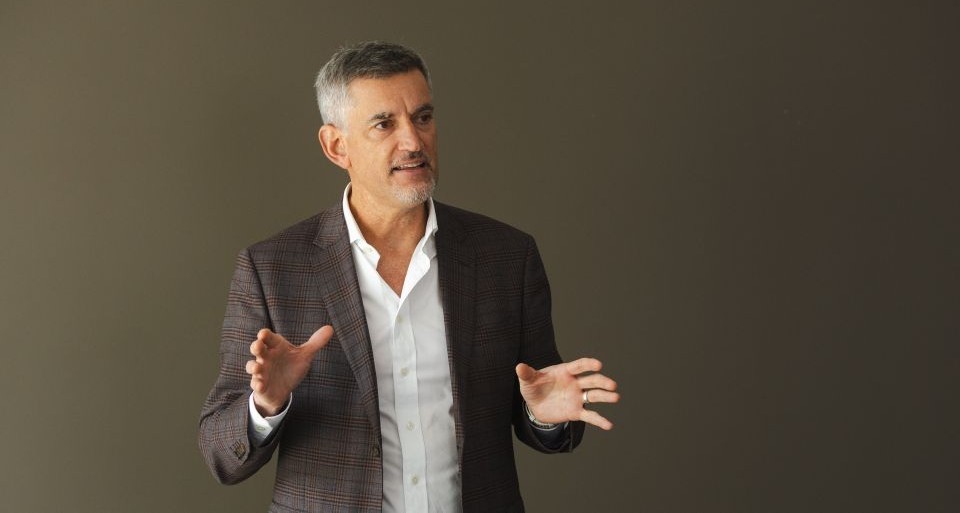
Rob Kirkwood is Head of Health, Safety and Environmental with Northpower.